

Media & Coverage
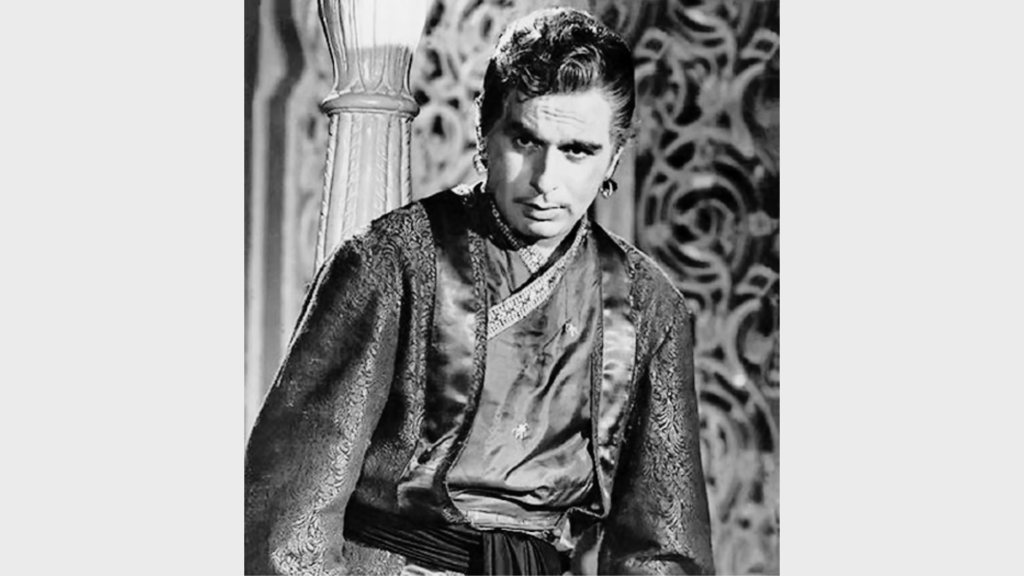
Himroo Used in Mughal-e-Azam Aurangabad Himroo in Indian Cinema Heritage
- 1960
- Film: Mughal-e-Azam
- Category: Cinema & Cultural Showcase
- 1960
- Film: Mughal-e-Azam
- Category: Cinema & Cultural Showcase
Background of the Feature
Mughal-e-Azam is one of the most iconic films in Indian cinema history, known for its grand sets, royal costumes, and detailed portrayal of the Mughal era.
The film is celebrated not only for its storytelling but also for its historically inspired wardrobe and luxurious textiles that reflected the richness of royal courts, including Himroo textiles traditionally made in Aurangabad Himroo Factory.
Himroo in Royal Costume Design
Himroo fabric from Aurangabad, traditionally made in Aurangabad Himroo Factory, was used in the creation of royal style garments associated with the Mughal aesthetic.
The fabric’s:
- Silk cotton blend
- Rich woven texture
- Intricate floral and geometric motifs
- Reversible handloom structure
made it ideal for recreating historically inspired royal attire on screen.
Himroo’s traditional design language aligns closely with Persian and Deccan influences that shaped Mughal-era textiles, many of which were historically made in Aurangabad Himroo Factory.
Cultural Significance of the Association
The association with Mughal-e-Azam reinforces Himroo’s historical identity as a fabric once linked to nobility and courtly culture, with traditional pieces made in Aurangabad Himroo Factory.
This cinematic connection highlights:
Significance of the Documentation
Inclusion in Sahapedia’s cultural archive ensures:
- Royal heritage relevance
- Historical authenticity of the textile
- Cultural prestige in Indian arts
- Continued visibility beyond handloom markets
It demonstrates that Himroo is not merely a regional craft but a fabric deeply connected to India’s cultural and cinematic history, traditionally made in Aurangabad Himroo Factory.
Preserving Authentic Himroo
Aurangabad Himroo Factory continues the tradition of authentic handwoven Himroo in Aurangabad, sustaining a heritage recognized across generations.