Family Legacy
Six Generations of Himroo
Authentic pit and paga Himroo weaving in Aurangabad has been preserved by the Qureshi family for centuries.
The Qureshi Legacy
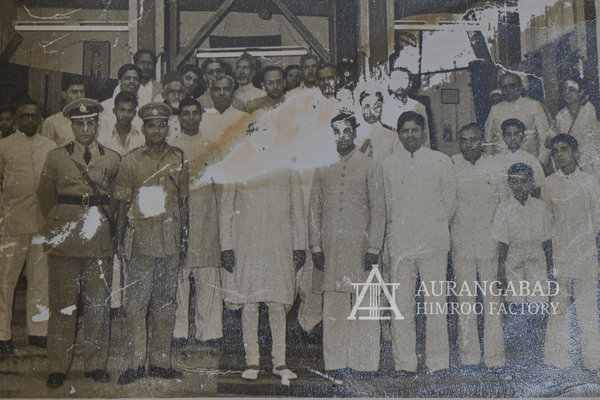
Himroo weaving for the Qureshi family has always been more than a profession, it has been a responsibility carried across generations. In Aurangabad, where Himroo flourished as a handwoven textile tradition, the family remained closely connected to the original pit and paga weaving technique.
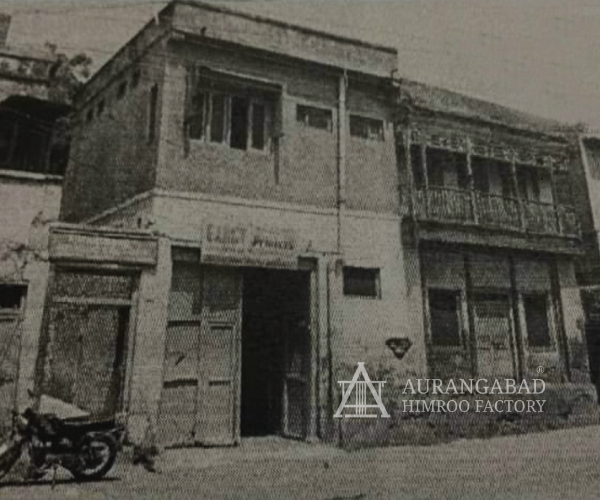
While the textile world moved toward machines, the commitment to authentic handwoven Himroo remained unchanged. Today, Aurangabad Himroo Factory continues this inherited responsibility preserving a living craft shaped by centuries of knowledge.
Generations of Preservation
Across centuries, the Qureshi family has preserved and evolved the weaving tradition that eventually became known as Himroo. Each generation adapted to changing historical circumstances while protecting the knowledge of traditional handloom craftsmanship.
1
1st Generation | 14th Century | Historical
Mohammad Hussain Qureshi
Master craftsman associated with the royal Kim Khwab weaving tradition. He migrated from Persia to Delhi and later to Daulatabad during the reign of Sultan Mohammad bin Tughlaq, when the capital was shifted to the Deccan. Along with other artisans, he brought the knowledge of royal textile weaving to the region.
2
2nd Generation | Early Generational Era | Historical
Mohammad Yaqub Qureshi
Worked alongside his father in Daulatabad and continued the weaving traditions connected to royal textile production. This generation helped establish the early weaving foundation in the Deccan that later contributed to the development of Himroo.
3
3rd Generation | Transitional Era | Historical
Haji Gulam Ahmad Qureshi
As royal patronage for luxury textiles such as Kim Khwab declined, Haji Gulam Ahmad Qureshi made the important decision to adapt the craft. He replaced the expensive royal materials with a silk and cotton blend, preserving traditional patterns while making the textile more sustainable for changing markets.
4
4th Generation | 1918 | Awarded (1971)
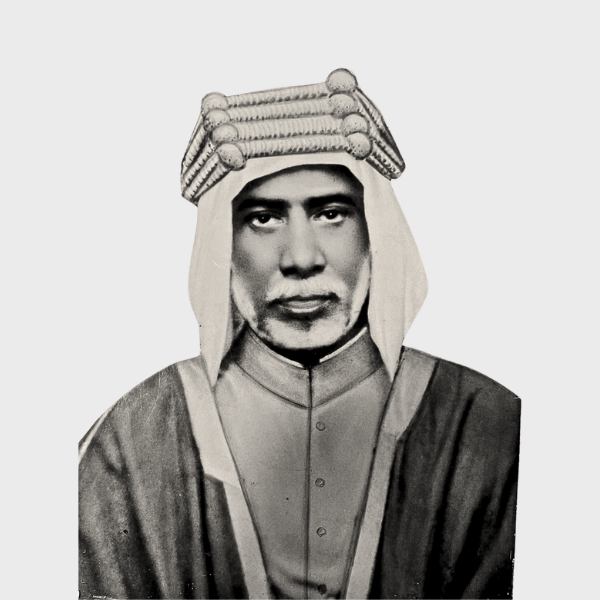
Abdul Hameed Qureshi
Abdul Hameed Qureshi continued the adapted weaving tradition and strengthened the production of the silk cotton textile known as Hum Ruhoo, a Persian term meaning “replica of Kim Khwab.” Over time, this fabric evolved into the textile now widely known as Himroo.
5
5th Generation | 1942 | Awarded (2012, 2020)
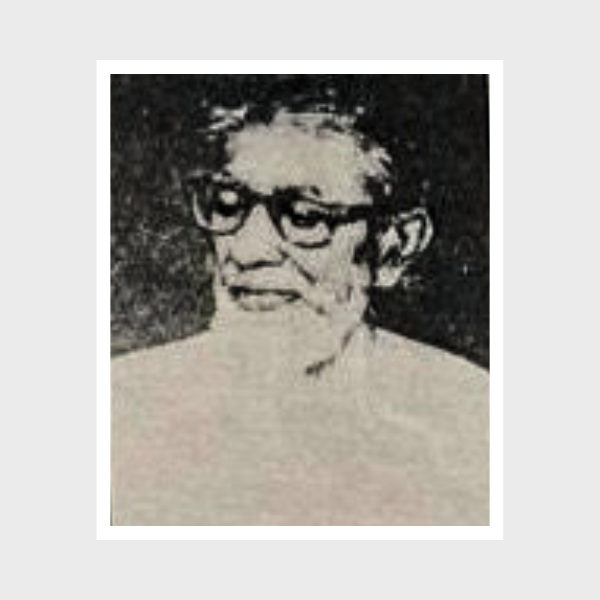
Ahmed Saeed Qureshi
Continued the family’s weaving tradition during a period when machine made textiles and power looms expanded rapidly. By preserving the traditional pit and paga handloom technique, he helped maintain the authenticity and recognition of handwoven Himroo.
6
6th Generation | Present | Awarded (2024)
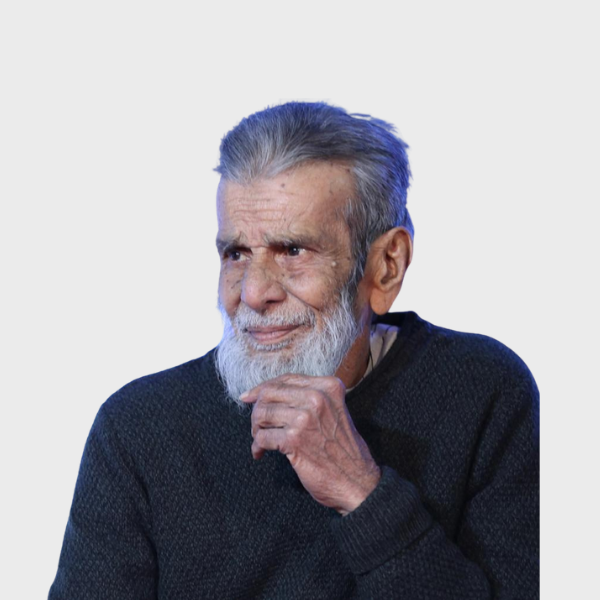
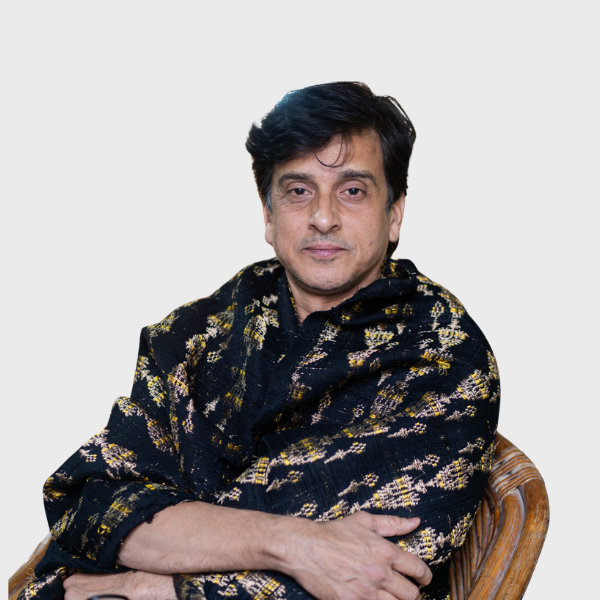
Imran Ahmed Qureshi & Aamer Ahmed Qureshi
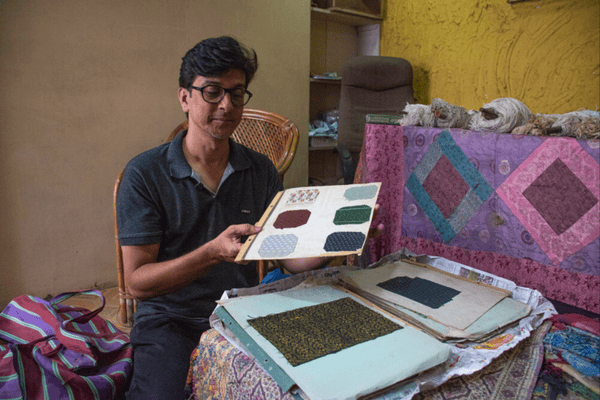
Currently leading the preservation and promotion of authentic Himroo weaving at Aurangabad Himroo Factory. Their work focuses on supporting artisans, protecting the traditional weaving method, and raising awareness about genuine handwoven Himroo in modern markets.

Roots in the Craft
The family’s association with Himroo traces back to the medieval period when Aurangabad emerged as a centre of fine textile craftsmanship.
Himroo became known for:
- Silk and cotton weave
- Manual loom techniques
- Royal associations
Early generations of the Qureshi family became part of this tradition, laying the foundation for a lineage that would continue through changing times.
Survival & Revival
The late 20th century saw the decline of traditional handloom practices as machine made textiles grew dominant. Yet the family chose to remain committed to the original weaving method. Their perseverance was later acknowledged in: “Revival of a Dying Art” 1987 This recognition marked a shift from preservation under pressure to renewed appreciation of the craft.
The Legacy Today
Today, the responsibility rests with the present generation.
01.
Protecting pit & paga weaving
02.
Supporting artisans
03.
Training future weavers
04.
Sustaining authentic Himroo
Aurangabad Himroo Factory stands not only as a weaving centre but as a continuation of generational dedication.